Realistic Mini Bee: A Pro Review for Branded Merch
As an embroidery designer who has spent years digitizing and stitching for small businesses, I know that choosing the right machine embroidery design is about more than just aesthetics. It is a strategic business decision. When a client approaches me looking for a logo accent or a branded patch, they need something that translates well from a screen to a physical finished product. Recently, I had the opportunity to review the Realistic Mini Bee, a design categorized under Bugs within the Embroidery sector. This review focuses on how this specific file performs in real-world commercial applications for cafes, boutiques, bakeries, and creative studios.
First Impressions: Professionalism Meets Nature
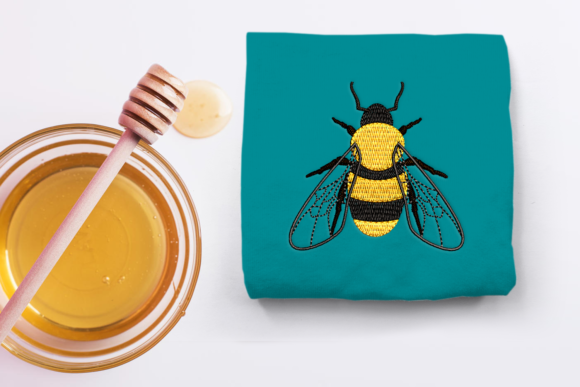
The moment I loaded the digital embroidery file for the Realistic Mini Bee, the first thing that struck me was its balance between detail and clarity. The description promises a "lovely bee" that is "all the buzz," and visually, it delivers a sense of organic charm without feeling cartoonish. For a brand identity centered around nature, sustainability, or handmade quality, this design feels incredibly appropriate. It carries a rustic yet premium vibe, making it suitable for florists wanting to elevate their packaging or pet brands looking for a friendly mascot.
Unlike some overly complex designs that lose definition when scaled down, the Realistic Mini Bee appears to maintain its structural integrity. The realism suggests a higher level of sophistication, which can instantly boost the perceived value of small business merch. Whether stitched onto a canvas tote or a structured cap, the design projects an image of care and attention to detail—qualities that customers subconsciously associate with the brand itself.
Real-World Business Applications
The true test of any embroidery file is its versatility across different substrates. In my evaluation, I imagined several scenarios where the Realistic Mini Bee could serve as a key asset for commercial embroidery projects:
- Embroidered Patches: This is perhaps the strongest use case. A realistic bee makes for an excellent iron-on or sew-on patch that can be sold as a standalone product or added to jackets and bags. It allows for low-minimum runs, perfect for Etsy sellers testing new product lines.
- Staff Uniforms and Aprons: For a local bakery or coffee shop, stitching this design onto the chest of an apron adds a touch of whimsy while maintaining professionalism. It acts as a subtle conversation starter with customers.
- Cap Embroidery: Placed on the side panel or even the front of a dad hat, the mini scale of the bee works beautifully. It avoids the bulkiness that often plagues larger logos on curved surfaces.
- Tote Bag Design: Canvas bags are a staple for boutique merchandise. The Realistic Mini Bee provides a focal point that looks intentional and designed, rather than just a random graphic.
- Product Packaging Accents: Imagine stitching these onto fabric tags attached to handmade soaps or knitwear. It elevates the unboxing experience and reinforces the handmade product narrative.
Technical Considerations for Production
While the aesthetic appeal is high, a professional designer must always look at the technical constraints before promising a design to a client. The Realistic Mini Bee features realistic details, which often implies a specific approach to stitch density and thread colors. When working with realistic imagery, there is a risk of the stitches blending together if the design is resized too small.
I recommend exercising caution when applying this design to very small patches or areas with limited space. If the hoop size limits your ability to stitch it at the intended scale, the fine details of the wings or body segmentation might become muddy. Additionally, when working on textured fabrics like heavy wool or rough canvas, the intricate outlines may not sit as flat as they would on a smooth twill or poplin.
Another critical factor is the background color of the garment. While the design likely includes a variety of thread colors to achieve its realistic look, it is essential to check how these contrast against dark uniforms. A lack of sufficient underlay or poor color selection could cause the bee to disappear on a black chef's coat. Always run a test stitch-out on the actual fabric you intend to use, rather than relying solely on a printable mockup.
Stabilizer and Fabric Texture
To ensure the Realistic Mini Bee holds up through frequent washing—a necessity for staff uniforms and wearable merch—the choice of stabilizer is paramount. Realistic designs often require stable foundations to prevent puckering, especially if the stitch count is high relative to the size. For stretchy fabrics like jersey tees, a cut-away stabilizer is non-negotiable to maintain the shape of the bee over time. For woven items like tote bags or caps, a tear-away might suffice, but testing is required to confirm the edges remain crisp.
Impact on Brand Identity and Customer Trust
In the crowded marketplace of custom apparel and branded goods, visual consistency is king. Using a high-quality design like the Realistic Mini Bee signals to your customers that you value quality. It moves your brand away from the "generic" feel of cheap heat transfers and towards the tactile, durable appeal of embroidery.
When customers see a well-executed embroidered patch or logo, it builds trust. It suggests that the business is established and cares about the longevity of their products. For a florist or a garden center, this bee isn't just a bug; it is a symbol of their industry. For a children's boutique, it represents playfulness and nature. By integrating this design into your design assets, you create a cohesive visual language that enhances buyer engagement and brand recognition.
Practical Designer Notes for Implementation
Before you integrate the Realistic Mini Bee into your production workflow, here are my top recommendations based on professional experience:
- Test in Black and White First: Convert your preview to grayscale to check if the contrast holds up without relying on color. This ensures the design works even if thread availability is limited.
- Verify Small Patch Viability: Stitch a sample at the smallest size you plan to offer. Ensure the details do not collapse.
- Review Thread Color Contrast: Map out the thread chart against your specific garment colors to guarantee visibility.
- Inspect Spacing and Density: Check for potential pull issues where dense stitching meets open areas.
- Confirm Hoop Size Compatibility: Ensure the design fits within your machine's hoop capabilities without requiring excessive re-hooping.
- Create a Mockup for Client Approval: Use a printable mockup or a digital composite to show clients exactly how the bee will look on their specific item before stitching begins.
- Check Commercial Licensing: The product description mentions it comes with "multiple embroid" options, but it does not explicitly state the license terms. Always confirm with the vendor that the digital embroidery file includes a commercial license for selling finished goods before using it for client work.
The Realistic Mini Bee is a versatile and charming addition to any embroidery library. With careful attention to fabric choice, stabilization, and sizing, it can become a cornerstone of your small business merch strategy, delivering both beauty and durability to your end customers.