Bee Flying: A Designer’s Review for Boutique Apparel
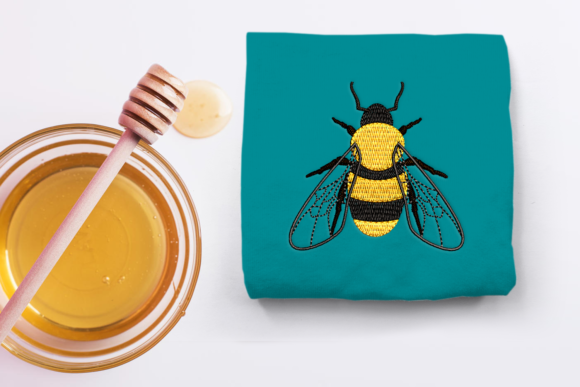
As an embroidery designer who spends countless hours digitizing and testing motifs for client collections, I am always on the lookout for designs that balance charm with technical reliability. When I recently browsed the Creative Fabrica embroidery library for my upcoming spring sweatshirt line, the Bee Flying design caught my eye immediately. It sits within the Bugs category, but it feels less like a scientific illustration and more like a whimsical accessory for modern, cozy apparel. For boutique brand owners and Etsy sellers looking to elevate their small shop product offerings, this machine embroidery design offers a versatile aesthetic that bridges the gap between playful and premium.
First Impressions and Visual Personality
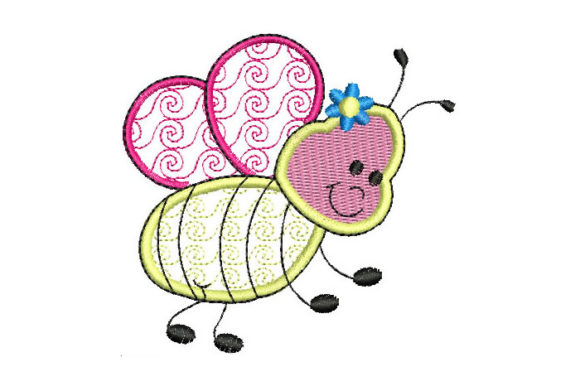
The first thing you notice about Bee Flying is its gentle, approachable mood. It does not scream for attention with aggressive boldness; instead, it invites a closer look. The visual personality is distinctly cute yet refined, making it suitable for a wide demographic ranging from children’s wear to adult lifestyle brands. The stitching mood feels light and airy, which is crucial when working with heavier fabrics like fleece or French terry. A design that is too dense can weigh down a soft hoodie, but this motif appears to maintain a decorative strength without overwhelming the fabric texture.
For those of us creating custom apparel, the distinction between a "crafty" look and a "boutique" finish often comes down to detail level. This design avoids the cluttered appearance that plagues many lower-quality digital embroidery files. It feels trendy in a timeless way, leaning towards a classic, rustic charm that pairs beautifully with neutral tones. Whether you are aiming for a feminine touch on a pastel garment or a subtle accent on a dark, oversized tee, the design’s structure supports a professional presentation.
Strategic Placement for Sweatshirts and Hoodies
When planning a collection, placement is just as important as the design itself. I tested the concept of Bee Flying across several garment types, and its versatility became apparent. For sweatshirt embroidery, the left chest placement is the most obvious choice. Here, the bee acts as a logo substitute, adding brand identity without the need for heavy text. On a neutral oatmeal or cream sweatshirt, the contrast of the thread colors against the fabric creates a sophisticated, understated look that appeals to buyers seeking high-quality handmade products.
However, do not limit yourself to the chest. This design shines as a sleeve accent on oversized hoodies. Placing a smaller version of the bee on the cuff or upper arm adds a surprising element of detail that customers love to discover. It transforms a basic hoodie design into a statement piece. For back designs, you might consider combining Bee Flying with minimal typography. Because the bee itself is not overly complex, it does not compete with lettering, allowing for a balanced composition that looks great in lifestyle product photos and social media graphics.
Adapting to Different Fabrics and Textures
One of the critical considerations for any commercial embroidery project is how the design interacts with different materials. On t-shirt embroidery, particularly on cotton jersey, the design needs to be stable. The open nature of this bee motif suggests it would perform well on lighter fabrics, provided you use the correct stabilizer. For tote bag design applications, the sturdier canvas provides an excellent backdrop, allowing the stitches to pop with vibrant thread colors. Denim jackets also offer a fantastic opportunity; the rugged texture of denim contrasts nicely with the delicate, playful nature of the bee, creating a charming juxtaposition that fits the current trend of upcycled and personalized outerwear.
When working with dark garments, such as navy or black fleece, you must pay close attention to thread color contrast. A bright yellow or gold thread will make the bee stand out dramatically, while tonal stitching (such as grey on black) creates a subtle, textured effect that appeals to a more minimalist audience. Always test on scrap fabric before committing to your final inventory. This step is non-negotiable for maintaining buyer trust and ensuring your finished product meets professional standards.
Enhancing Brand Value and Customer Engagement
In the world of online selling, visual consistency is key to building a recognizable boutique brand. Bee Flying can serve as a signature element in your collection. By using this motif across various items—sweatshirts, tote bags, and perhaps even embroidered patches—you create a cohesive narrative. This consistency helps with product recognition. When a customer sees that specific bee stitch, they should immediately associate it with your shop’s quality and aesthetic.
Furthermore, high-quality embroidery adds perceived value to your handmade product. Customers are willing to pay more for items that feature detailed, well-executed stitching rather than simple screen prints. The tactile nature of embroidery engages the senses, making the unboxing experience more memorable. This emotional connection drives customer engagement and encourages repeat purchases. For Etsy sellers, featuring close-up shots of the stitch density and thread sheen in your printable mockup and listing photos can significantly boost conversion rates.
Practical Notes for the Embroidery Designer
Before you begin production on this or any new design, there are several technical factors to review. Since the product description notes that this machine embroidery design comes with multiple embroidery file formats, you have the flexibility to choose the best fit for your machine. However, the description cuts off regarding the specific files included. Therefore, I strongly advise you to confirm the exact file formats, hoop size requirements, and stitch count details on the Creative Fabrica product page before purchasing. Ensuring compatibility with your specific embroidery machine is essential to avoid costly errors.
- Stabilizer Choice: For stretchy fabrics like fleece or ribbed cuffs, use a cut-away stabilizer to prevent distortion. For woven totes, a tear-away may suffice.
- Thread Colors: Plan your palette carefully. Consider using variegated threads for the wings to add depth, or matte cotton threads for a rustic, vintage feel.
- Stitch Density: Inspect the digitizing. If the density is too high for lightweight t-shirts, you may need to adjust your tension or use a lighter weight backing.
- Licensing: Always check the license terms provided by the creator on Creative Fabrica. Ensure you have the rights for commercial embroidery sales if you plan to sell the finished apparel.
Additionally, consider the curved surfaces of garments. Embroidering on a sleeve or a curved hem requires careful hooping to prevent puckering. Take your time to center the design precisely. A crooked bee can detract from the premium feel you are trying to achieve. Compare placement options on a dress form or mannequin to see how the design sits when the garment is worn, not just when it is flat.
Final Thoughts on Commercial Viability
In summary, Bee Flying is a strong contender for designers looking to expand their bug-themed or nature-inspired collections. It offers the right balance of simplicity and character, making it adaptable for various apparel and accessory projects. Whether you are creating a cozy seasonal outfit line or updating your everyday basics, this design provides a fresh, engaging element that resonates with today’s consumers. By paying attention to fabric texture, stabilizer choice, and strategic placement, you can leverage this digital embroidery file to create standout pieces that enhance your brand’s reputation. Remember, the success of your small shop product relies not just on the design itself, but on the care and precision you apply during the embroidery process.