Shapes Embroidery: A Designer’s Real-World Review
As a designer who has spent countless hours digitizing and stitching out machine embroidery designs, I have learned that simplicity is often the hardest quality to master. When I first loaded the Shapes design into my software, I was struck by its clean lines and geometric precision. In an industry saturated with overly complex, dense patterns, this piece stands out for its restraint. It is not just a collection of lines; it is a deliberate study in balance. For embroidery designers, small business owners, and crafters looking to elevate their product offerings, understanding how a minimalist design like this performs on actual fabric is crucial before committing to a full production run.
First Impressions and Visual Mood
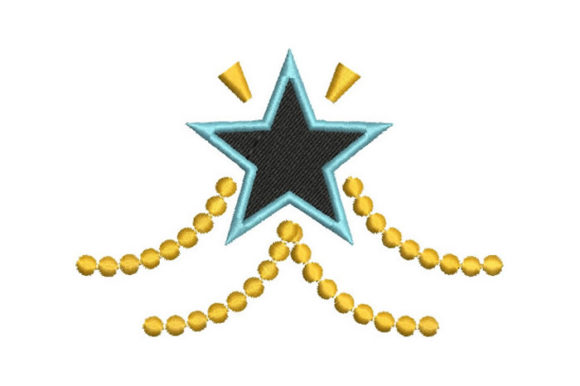
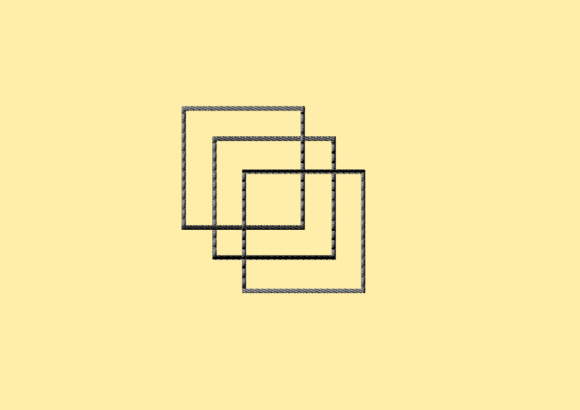
The immediate appeal of Shapes lies in its versatility. The geometric nature of the design creates a modern, almost architectural mood. It does not scream for attention; rather, it invites a closer look. This subtle confidence makes it an excellent candidate for contemporary home decor and understated apparel. Unlike floral or illustrative motifs that dictate a specific style, geometric elements act as neutral anchors. They pair well with both bold, vibrant thread colors and muted, earthy tones.
When evaluating the layout, I noticed the spacing between elements is generous. This is a significant advantage for embroidery because it reduces the risk of thread breaks and fabric puckering. The design feels open and airy, which translates beautifully to finished products. For Etsy sellers and boutique owners, this visual clarity means the design remains legible even from a distance, a key factor in creating eye-catching printable mockups and digital product previews.
Real-World Application: The Custom Tote Bag Test
To truly gauge the viability of any embroidery file, you must move beyond the screen and onto the hoop. I decided to test Shapes on a heavy-weight canvas tote bag, a staple item for many craft businesses. The goal was to create a chic, reusable shopping bag that could appeal to eco-conscious consumers without looking like generic merchandise.
Using a medium-weight cut-away stabilizer, I hooped the canvas and selected a high-sheen polyester thread in a deep charcoal gray. The result was striking. The geometric lines stitched out crisply, with no noticeable pull or distortion. Because the design relies on clear structural forms rather than dense fill stitches, the fabric retained its natural drape. This is a critical consideration for tote bag design; customers want durability, but they do not want a stiff, cardboard-like handle area. The Shapes embroidery added value and a custom touch without compromising the functionality of the bag.
This success suggests that the design would perform equally well on other sturdy materials. Imagine it as a sweatshirt embroidery piece on a high-quality cotton blend, or as a decorative accent on a linen apron. The adaptability of the geometric theme allows it to bridge the gap between casual wear and refined home textiles.
Navigating Fabric Challenges and Stitch Density
While Shapes is robust, no design is universal. Experienced makers know that fabric texture and stretch can make or break a project. I approached the design with caution when considering stretchy fabrics, such as jersey knits for baby clothes or t-shirts. Geometric lines can easily warp if the fabric shifts during stitching.
For these applications, I recommend using a high-quality tear-away stabilizer paired with a lightweight fusible interfacing on the wrong side of the fabric. This extra support ensures that the running stitch and satin stitch elements remain true to their original digitized form. If you are working with thin fabric, such as silk or lightweight cotton for curtains, test the stitch density on a scrap piece first. Although the design appears neat, any excessive density can cause puckering on delicate materials. Adjusting your tension and slowing down your machine speed can help mitigate these risks.
Dark fabrics present another common challenge. If you are stitching light-colored threads on black or navy apparel, ensure your underlay stitches are sufficient to prevent the background fabric from showing through the top stitches. A quick test stitch-out will save you from wasting expensive materials and time. This practical step is essential for maintaining professionalism in commercial embroidery projects.
Commercial Viability and Brand Consistency
For small shop owners and digital product sellers, the commercial potential of Shapes is significant. Minimalist designs are currently trending in the handmade market, particularly among buyers seeking personalized gifts that feel modern and sophisticated. The clean aesthetic of this design allows it to integrate seamlessly into various brand identities. Whether you are selling holiday embroidery items, wedding gifts, or everyday accessories, the geometric theme does not clash with seasonal motifs. Instead, it complements them.
Moreover, the simplicity of the design reduces production time. Faster stitching means higher throughput for craft fair products and bulk orders. This efficiency can directly impact your profit margins. However, always verify the licensing terms provided with the digital embroidery file. Confirm whether the license permits unlimited sales of finished products or if there are restrictions on volume. Protecting your craft business legally is just as important as the creative process.
Practical Notes for the Embroidery Designer
Before you commit to a large batch of personalized products, take a moment to review the technical aspects of the file. Check the hoop size requirements to ensure it fits your machine’s capabilities. Inspect the small details in your editing software; look for any unnecessary jump stitches or trims that could be optimized.
- Test on Scrap Fabric: Always stitch a sample on the same type of fabric you intend to use for the final product.
- Check Thread Contrast: View your design in black and white to ensure the shapes remain distinct regardless of color choice.
- Stabilizer Selection: Match your stabilizer to the fabric weight. Heavier fabrics need cut-away support; lighter fabrics may require tear-away or wash-away options.
- Review Licensing: Confirm the usage rights for commercial sales before listing items on Etsy or other platforms.
In conclusion, Shapes is a thoughtful addition to any embroidery library. It offers a blend of aesthetic appeal and practical functionality that serves both hobbyists and professional makers. By respecting the nuances of fabric behavior and stitch mechanics, you can leverage this design to create high-quality, desirable products that stand out in a crowded marketplace. It is a reminder that in embroidery, as in design, less is often more.