Santa Clause Embroidery: A Designer’s Craft Fair Review
As an embroidery designer who has spent countless weekends behind a craft fair table, I know that the difference between a browsing customer and a buying customer often comes down to visual impact. When I first loaded the Santa Clause machine embroidery design into my software, my immediate goal was not just to admire the art, but to judge its potential as a revenue-generating asset. This adorable Christmas embroidery of Santa promises to brighten up festive designs, but does it hold up under the harsh fluorescent lights of a convention center or the soft, natural light of an Instagram feed? Let’s break down this design from the perspective of a maker who needs to sell finished products.
First Impressions: Festive Charm Meets Commercial Viability
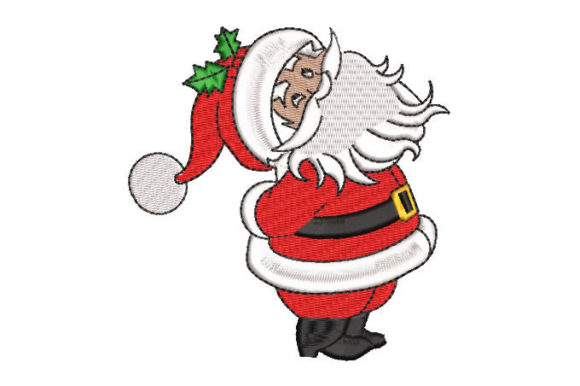
The initial glance at Santa Clause reveals a design that leans heavily into the "adorable" and "festive" aesthetic. For craft fair sellers, this is a crucial distinction. We are not looking for overly complex, fine-art pieces that take hours to stitch; we are looking for designs that communicate joy instantly. This design feels approachable, warm, and undeniably holiday-centric. It strikes a balance between traditional Christmas imagery and a modern, clean execution that appeals to a broad demographic, from grandparents looking for gifts to young parents decorating nurseries.
From a production standpoint, the description notes that this machine embroidery design comes with multiple embroideries. This is a significant selling point for the small shop product owner. Having size variations allows you to scale the design for different applications without losing integrity. Whether you are aiming for a bold statement on a tote bag or a subtle accent on a cuff, versatility is key to maximizing your return on investment for a single digital embroidery file.
Product Applications: Where Santa Clause Shines
To truly evaluate a design, you must visualize it on tangible goods. Here is how Santa Clause performs across various popular craft fair categories:
- Tote Bag Design: Canvas totes are staples at holiday markets. Placing Santa Clause centrally on a natural or red canvas creates an instant bestseller. The design’s likely bold outlines ensure it remains visible from a distance, drawing customers to your booth.
- Apron Embroidery: Holiday baking aprons are high-margin items. Positioning the design on the bib or the lower corner adds a professional, boutique touch. Ensure the placement avoids high-wear areas where whiskers or belts might rub against counters.
- Tea Towel Embroidery: Flour sack towels are lightweight and affordable. However, fabric texture matters here. If the towel is too loose-weave, the design may pucker. Using a proper stabilizer is non-negotiable to maintain the crispness of Santa’s features.
- Embroidered Patch: If the design scales down well, turning it into an iron-on patch expands your inventory significantly. Patches appeal to younger demographics who want to customize denim jackets or backpacks.
- Caps and Hats: Curved surfaces are tricky. If you attempt to stitch Santa Clause on a cap, ensure the design width fits within the standard cap frame limits. Dense stitch areas can cause pulling on structured caps, so check your tension settings.
Production Practicalities for the Etsy Seller
For the Etsy seller and digital sellers, efficiency is everything. You need a design that is repeatable for batch production. Santa Clause appears to be designed with commercial embroidery in mind, meaning the pathing should be optimized to reduce thread breaks and jump stitches. When preparing your handmade product line, consider the stitch density. A design that is too dense can feel stiff and heavy on lightweight fabrics like cotton blends, while a design that is too sparse may look cheap on premium home decor items.
Photography is another critical factor. Does the design photograph well? Designs with good contrast and clear shapes, like this Santa motif, tend to pop in thumbnail images. When creating your printable mockup or listing photos, use high-contrast thread colors against the fabric. For example, classic red and white threads on a navy or forest green background will create a striking visual that stops the scroll.
Navigating Technical Challenges
While the design is described as adorable, every embroidery file has its quirks. Here are some careful-use notes to keep in mind before you start your production run:
- Fabric Texture: Avoid stitching this on highly textured fabrics like thick terry cloth unless you use a strong cut-away stabilizer. The details of Santa’s face could get lost in the pile.
- Small Lettering: If the design includes any text, verify its readability at smaller sizes. Tiny lettering often merges together after washing. If the text is integral, consider enlarging the hoop size or removing the text for smaller applications.
- Dark Fabric: Stitching on black or dark navy requires careful thread selection. Ensure your bobbin thread matches the top thread or the backing fabric to prevent white peek-through, which can ruin the premium look of your finished product.
- Stitch Density: Always review the density map in your embroidery software. If there are large solid fills, consider adding a satin border or adjusting the fill pattern to reduce bulk.
Enhancing Brand Consistency and Buyer Engagement
Using a cohesive design like Santa Clause helps build brand consistency. If your boutique makers brand is known for whimsical, high-quality holiday goods, this design fits that narrative perfectly. It signals to the buyer that you care about the festive spirit and quality craftsmanship. Booth display strength is amplified when you have a "hero product." Use this design on your largest, most visible item—perhaps a pillow cover or a wall hanging—to anchor your display.
Buyer engagement increases when customers can envision the product in their homes. By offering the design on varied items like market bags, small pouches, and home decor, you cater to different price points. A customer might not buy a $50 embroidered jacket, but they will impulse-buy a $15 tea towel featuring the same charming Santa. This tiered pricing strategy, powered by a versatile embroidery file, maximizes your sales potential.
Designer’s Checklist Before Production
Before you commit to stitching fifty units for your next craft fair, follow these practical embroidery designer notes:
- Test on Scrap Fabric: Never skip the test stitch. Use the exact fabric and stabilizer combination you plan to sell.
- Check Thread Contrast: Ensure the thread colors you choose provide enough contrast to make the design readable from three feet away.
- Confirm Hoop Size: Verify that the largest version of the design fits your available hoops. If it requires a jumbo hoop, factor that into your pricing and production time.
- Inspect Stitch Density: Look for overlapping stitches that could cause thread breaks. Edit if necessary.
- Create a Real Mockup: Stitch one perfect sample for your display and photography. Do not rely solely on digital simulations.
- Review Licensing: Although this is a commercial-ready design, always confirm the specific license terms provided with the download. Ensure you are compliant regarding the number of physical copies you can sell.
In conclusion, Santa Clause is more than just a cute graphic; it is a strategic tool for your holiday inventory. By understanding its strengths in visual appeal and adapting it wisely to different fabrics and products, you can create a standout collection that resonates with customers. Whether you are an experienced embroidery business owner or a new creative entrepreneur, this design offers the flexibility and charm needed to succeed in the competitive handmade market. Remember, the key to success lies not just in the design itself, but in how thoughtfully you apply it to your craft fair products.