Reviewing Mother Holding Child s Hand for Boutique Sweatshirts
As an embroidery designer who has spent years refining digital files for commercial apparel, I approach every new machine embroidery design with a critical eye. It is not just about whether the design looks cute on a screen; it is about how it translates to fabric, how it withstands washing, and ultimately, how it elevates a brand’s identity. Recently, I evaluated Mother Holding Child s Hand for a potential limited-edition drop for a small boutique brand specializing in cozy, family-oriented apparel. The goal was simple: determine if this piece could carry the weight of a premium sweatshirt collection while maintaining the delicate emotional resonance suggested by its title.
First Impressions and Design Aesthetic
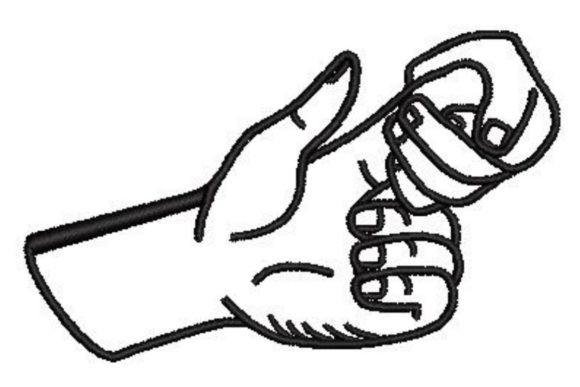
The initial visual impact of Mother Holding Child s Hand is one of understated elegance. In a market saturated with overly complex, high-density cartoons, this design offers a refreshing sense of calm. The description highlights an "art line technique," which immediately signals to experienced digitizers that we are dealing with a minimalist approach. This is crucial for modern custom apparel. Today’s consumers, particularly those shopping for Nursery themed items or maternal gifts, often prefer subtle branding over loud graphics.
The mood here is distinctly tender and protective. It feels less like a cartoon and more like a sketch brought to life through thread. For a boutique brand, this aesthetic is invaluable. It suggests sophistication and thoughtfulness. When I visualize this as a finished product, I see it working beautifully on neutral tones—oatmeal, soft grey, or muted sage. The simplicity of the line work allows the fabric texture of a high-quality cotton blend to shine through, rather than being buried under thousands of stitches.
Application on Sweatshirts and Hoodies
Testing a design on paper is one thing; imagining it on actual garments is another. For this review, I considered how Mother Holding Child s Hand would perform across various apparel types. The most obvious application is sweatshirt embroidery on the left chest. This placement is classic for a reason—it offers visibility without overwhelming the wearer. On an oversized hoodie, this design could serve as a subtle badge of honor for mothers, creating an instant connection with the target demographic.
However, the versatility extends beyond the chest. I envision this design working exceptionally well as a sleeve accent on a crewneck sweatshirt. A smaller scale version near the cuff adds a surprising detail that customers love to discover. For back designs, one might consider pairing it with a short, poignant phrase, though the standalone image is strong enough to hold its own. The "applique" mention in the product description suggests potential for mixed media, but even as a standard stitch-out, the art line technique ensures it remains lightweight. This is vital for hoodie design applications where bulkiness can compromise comfort.
When considering dark fabrics, such as navy or charcoal, the choice of thread colors becomes paramount. A metallic gold or a soft cream thread would create a striking contrast, enhancing the premium feel. On pastel colors, a tonal stitch—such as white-on-white or light grey-on-light pink—creates a textured, almost embossed look that screams luxury. This adaptability makes it a robust asset for any Etsy seller looking to expand their colorways without needing multiple design files.
Technical Considerations for Production
From a technical standpoint, there are several factors any professional must address before running this digital embroidery file on a production machine. The description notes that the art line technique makes it "very easy to embroidery." While this suggests user-friendliness, it also raises questions about stitch density. Low-density designs can sometimes lack durability if not properly stabilized.
For a small shop product intended for regular wear, I recommend using a cut-away stabilizer rather than tear-away. Sweatshirts and hoodies undergo significant stretching and movement. A cut-away provides the necessary support to prevent the fabric from puckering around the thin lines of the design. Additionally, because the design relies on fine lines, the hoop size must be chosen carefully to ensure the fabric remains taut throughout the stitching process. Any slack could result in distorted lines, ruining the delicate aesthetic.
Another concern is readability at smaller sizes. If you plan to use this as a tiny logo on a sleeve, you must test the minimum viable size. Art line techniques can lose definition if scaled down too far. I advise creating a printable mockup and physically stitching out samples at 2 inches, 3 inches, and 4 inches to determine the sweet spot for clarity. Furthermore, always check the specific file formats provided. While the description mentions it is a machine embroidery design, ensuring you have the correct format for your specific machine brand (whether Brother, Janome, or Husqvarna) is essential before beginning production.
Brand Value and Customer Engagement
Why choose Mother Holding Child s Hand over countless other options? The answer lies in brand identity. For creative entrepreneurs and handmade product sellers, the designs you choose communicate your values. This particular design speaks to connection, love, and simplicity. It aligns perfectly with brands that prioritize emotional storytelling.
Incorporating this design into your lineup can enhance buyer trust. It shows that you care about quality and subtlety. In the world of commercial embroidery, standing out often means doing less, not more. A clean, well-executed line drawing on a premium garment feels exclusive. It encourages customer engagement because it invites closer inspection. When a customer sees the intricate yet simple stitching, they perceive higher value, which can justify a higher price point for your custom apparel.
Moreover, this design is highly shareable on social media. Lifestyle product photography featuring a mother wearing a sweatshirt with this subtle emblem can generate significant organic reach. It is relatable and visually appealing, fitting seamlessly into the curated feeds of modern parents. For an Etsy seller, having such versatile design assets allows for cohesive shop aesthetics, strengthening visual recognition across different product listings.
Final Verdict for Designers and Sellers
In conclusion, Mother Holding Child s Hand is a strong contender for any designer looking to add a touch of warmth to their portfolio. It bridges the gap between decorative art and wearable comfort. While the description lacks specific technical details like exact stitch counts or recommended hoop dimensions, the emphasis on the art line technique and applique potential suggests a flexible, user-friendly file.
For those preparing a seasonal drop, this design offers the flexibility to work across various fabric weights and colors. Whether used on a rustic, oversized fleece or a smooth, modern cotton blend, it maintains its integrity. Just remember to prioritize proper stabilization and test your thread contrasts. By treating this Embroidery file with the technical respect it deserves, you can transform a simple digital asset into a best-selling small shop product that resonates deeply with your audience. It is not just a design; it is a tool for building a meaningful brand narrative.