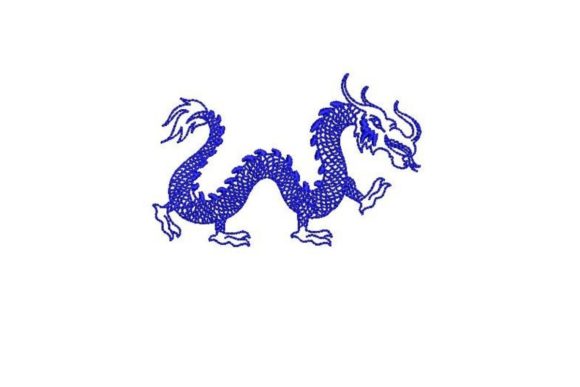
Reviewing Chinoiserie Style Dragon for Embroidery
As an embroidery designer who spends countless hours digitizing and testing designs, I am always on the lookout for assets that balance aesthetic beauty with technical reliability. Recently, I explored the Chinoiserie Style Dragon available on Creative Fabrica. For those of us in the handmade community, finding a design that captures the essence of a specific cultural style without becoming a stitching nightmare is rare. This review breaks down my experience evaluating this piece for real-world commercial projects, from custom apparel to home decor.
First Impressions: Visual Mood and Detail
The moment I opened the preview for the Chinoiserie Style Dragon, I was struck by its elegant interpretation of East Asian motifs. Chinoiserie is all about an idyllic, romanticized representation of Chinese culture, and this design nails that aesthetic. It does not rely on overly complex, photorealistic details that often cause thread breaks or registration issues. Instead, it uses clean lines and symbolic imagery that read well from a distance.
The visual mood is sophisticated yet playful. It feels appropriate for a wide range of demographics, from nursery decor to adult fashion. The dragon is perfectly symbolic of Asian culture, offering a sense of power and good fortune, which adds narrative value to any finished product. For designers, this means the artwork sells itself; you do not need to over-explain the theme to your customers.
Performance in Real Embroidery Projects
The true test of any machine embroidery design is how it translates from screen to fabric. I evaluated how this dragon would perform across various common items sold by Etsy sellers and small business owners.
Apparel and Custom Gifts
For custom apparel, such as sweatshirts or t-shirts, this design offers excellent versatility. The flow of the dragon’s body allows it to be placed on the chest, back, or even along the sleeve. When considering sweatshirt embroidery, the design’s structure suggests it would hold up well against the fleece texture, provided the correct stabilizer is used. It also makes a stunning addition to a tote bag design, where the linear elements can stretch across the canvas without losing definition.
If you are creating personalized gifts, this motif pairs beautifully with monograms. Imagine the dragon wrapping around a circular initial on a baby blanket or a kitchen towel. The cultural symbolism adds a layer of thoughtfulness that buyers appreciate, enhancing the perceived value of the item.
Home Decor and Accessories
Beyond clothing, I see huge potential for home goods. A pillow cover featuring this dragon could become a statement piece in a bohemian or eclectic living room. For smaller items, consider an embroidered patch. If the design scales down well, it could be ironed onto denim jackets or caps. However, scaling requires caution. Always check the stitch density when resizing to ensure the details do not become too dense for smaller hoops or fragile fabrics.
Technical Considerations for Stitching
While the aesthetic is appealing, practical execution is where many designs fail. Here is what I observed regarding the technical aspects of stitching the Chinoiserie Style Dragon.
- Fabric Compatibility: The design likely utilizes a mix of satin stitch for outlines and fill stitch for broader areas. On stretchy fabrics like jersey knits, a cut-away stabilizer is non-negotiable to prevent puckering. For woven fabrics like cotton tote bags, a tear-away might suffice, but testing is key.
- Thread Colors: Chinoiserie often features bold contrasts, such as reds, golds, and blues. Ensure your thread colors have enough contrast against your fabric. Stitching a dark dragon on black fabric will result in lost detail. Always create a printable mockup or test stitch on scrap fabric to verify visibility.
- Hoop Size and Placement: Before purchasing, confirm the available hoop size options. If you plan to stitch this on a curved cap surface, you will need a design specifically sized for a 4x4 or 5x7 hoop. Large, continuous fill areas can be tricky on curved surfaces due to fabric distortion.
- Density and Texture: Dense stitch areas can make garments stiff. If you are stitching on a baby item or a lightweight summer shirt, check if the design includes underlay stitches that minimize bulk. You want the embroidery file to feel soft against the skin, not like a plastic patch.
Enhancing Product Value and Brand Consistency
Using high-quality design assets like this dragon can significantly impact your brand perception. In the crowded marketplace of handmade goods, visual appeal drives clicks. A well-stitched dragon conveys professionalism and attention to detail. It builds buyer trust because it shows you invest in premium resources rather than using free, low-quality files.
Furthermore, this design supports brand consistency if your shop focuses on cultural motifs, nature-inspired themes, or eclectic styles. It allows you to expand your product line without spending hours digitizing from scratch. Whether you are selling commercial embroidery products to local boutiques or listing items online, the unique look of Chinoiserie helps your products stand out in search results and social media feeds.
Practical Steps Before You Stitch
To ensure success with the Chinoiserie Style Dragon, follow these practical steps before committing to a final product:
- Verify File Details: Since specific technical data like stitch count and exact file formats were not provided in the brief description, you must check the product page on Creative Fabrica. Confirm that the file type matches your machine (e.g., PES, DST, JEF).
- Review Licensing: Always confirm the license terms. Most Creative Fabrica subscriptions allow for commercial use of finished physical items, but digital resale of the digital embroidery file itself is typically prohibited. Ensure you are compliant before selling.
- Test on Scrap Fabric: Never stitch directly on your final garment. Use a similar fabric scrap to test tension, thread breaks, and registration. Inspect small details after stitching to ensure no threads are pulling or breaking.
- Check Stabilizer Needs: Match your stabilizer to your fabric. Water-soluble stabilizers are great for towels or delicate fabrics where you do not want any backing residue.
- Mockup Comparison: Compare how the design looks on light versus dark fabrics. You may need to adjust thread palettes for different base colors to maintain the design’s integrity.
Final Verdict
The Chinoiserie Style Dragon is a compelling addition to any embroidery designer’s library. It bridges the gap between artistic expression and technical feasibility. For creators looking to expand into Asia-inspired themes or add a touch of mythical elegance to their Embroidery portfolio, this design is worth considering. It offers the flexibility needed for diverse products, from aprons to nursery decor, while maintaining a high level of decorative appeal.
Remember, the quality of your final item depends not just on the design, but on your preparation. By testing thoroughly and respecting the technical requirements of the fabric and machine, you can turn this digital asset into a best-selling handmade product. Always prioritize checking the specific file details on the Creative Fabrica product page to ensure it meets your machine’s compatibility needs before starting your next project.