Review: Watercolor Elephants Holding Tails Design
As an embroidery designer who has spent years digitizing and testing patterns for personalized gift shops, I approach every new machine embroidery design with a critical eye. It is not just about whether the image looks cute on a screen; it is about how those stitches will behave on real fabric, under the needle, in the hands of a customer who expects perfection. Recently, I tested the Watercolor Elephants Holding Each Others Tails design, and I am eager to share my practical insights for fellow crafters, Etsy sellers, and small business owners looking to expand their Wild Animals collection.
First Impressions: Mood and Emotional Appeal
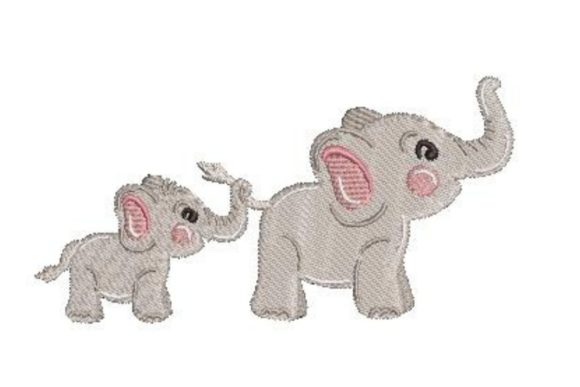
The moment I loaded the preview of Watercolor Elephants Holding Each Others Tails, I was struck by its gentle, narrative quality. Unlike rigid, cartoonish animal outlines, this design captures a soft, watercolor aesthetic that translates surprisingly well into thread. The mood is undeniably sweet and tender, evoking a sense of connection and family bonding. For a personalized gift, emotional resonance is half the battle won. This design does not just decorate an item; it tells a story of companionship.
The charm lies in the subtle details. The elephants are depicted holding each other’s tails, a playful yet affectionate gesture that appeals strongly to parents and gift-givers. It feels handmade and organic, avoiding the sterile look of overly automated digitizing. Whether you are aiming for a modern nursery vibe or a classic, timeless keepsake, this piece bridges the gap between playful and elegant. It is versatile enough to feel at home on a baby’s blanket or a sophisticated kitchen towel.
Versatility in Product Application
One of the strongest assets of this embroidery file is its adaptability. In my test run, I evaluated how it would perform across various popular product categories. Here is where this design truly shines:
- Baby Embroidery: This is the natural home for this design. It works beautifully on muslin swaddle blankets, onesies, and bibs. The soft lines complement the delicate nature of baby items, making it a top seller for baby showers.
- Nursery Decor: Imagine this stitched onto a canvas wall hanging or a decorative pillow cover. It adds a touch of whimsy to a Savannah-themed room without being overwhelming.
- Wedding and Family Keepsakes: While often seen as juvenile, the theme of connection makes it suitable for family reunion gifts or even a quirky addition to a wedding guest book cover, symbolizing unity.
- Home Textiles: An embroidered towel featuring these elephants becomes an instant heirloom. It also works well on aprons for the "cool aunt" or grandmother who loves animals.
- Tote Bags and Apparel: For the eco-conscious shopper, stitching this onto a canvas tote bag creates a unique, handmade product that stands out in a crowded market.
For Etsy sellers and digital product creators, this versatility means you can create multiple listings from a single purchase. You can offer it as part of a bundle with other Wild Animals to create a complete Savannah scene, increasing the perceived value of your shop.
Technical Considerations for Stitching Success
While the design is charming, technical execution is where many beginners stumble. As a professional, I must highlight areas where care is needed to ensure a high-quality finished product.
Fabric Texture and Stabilizer Choice
The watercolor effect relies on smooth transitions between thread colors. On highly textured fabrics, such as thick terry cloth towels or rough linen, some of the finer details may get lost. I recommend using a cut-away stabilizer for stretchy baby clothes to prevent puckering, which can distort the elephants' shapes. For woven fabrics like cotton tote bags, a tear-away stabilizer usually suffices, but always test on scrap fabric first.
Stitch Density and Detail Preservation
Because the design mimics a watercolor painting, the stitch density must be balanced. If the density is too high, the fabric may become stiff, losing that soft, handmade feel. If it is too low, the underlying fabric might show through, breaking the illusion of the watercolor wash. Before running a full production batch, stitch out a sample to check if the small details—like the eyes and the tail connection—remain crisp. Adjust your tension settings if you notice thread breaks or looping.
Hoop Size and Placement
Always confirm the hoop size required for this specific file before purchasing. Placing the design too close to a seam or on a curved surface, like the shoulder of a onesie, can cause registration issues. I suggest using a printable mockup to visualize the placement on your specific garment. This step saves time and reduces waste, ensuring that every custom embroidery job looks professional.
Enhancing Giftability and Perceived Value
In the world of online selling, presentation is everything. The Watercolor Elephants Holding Each Others Tails design has high "giftability." It triggers an emotional response that encourages impulse buys. When photographing your products, use natural light to highlight the sheen of the threads. A well-lit photo of this design on a soft, neutral-colored blanket can significantly boost buyer engagement.
Customers trust designs that look clean and precise. By ensuring your commercial embroidery outputs are free of jumps and trims are neatly hidden, you build a reputation for quality. This design, when executed well, signals to the buyer that they are purchasing a premium, thoughtful item rather than a mass-produced commodity. It strengthens the emotional connection between the giver, the receiver, and the maker.
Final Verdict for Small Shop Owners
For those running a small shop or selling digital files, this design is a strong addition to your portfolio. It fits seamlessly into the Embroidery niche for baby and family products. However, remember to check the licensing terms provided with the digital embroidery file. Ensure you have the right to sell finished products if you plan to use it for commercial orders.
Before listing it, compare mockups on both light and dark fabrics. While watercolor styles often pop best on light backgrounds, knowing how it looks on navy or charcoal can open up new marketing angles. If the contrast is low on dark fabrics, consider offering a version with adjusted thread colors or recommending lighter garments to your customers.
In conclusion, Watercolor Elephants Holding Each Others Tails is more than just a cute pattern; it is a versatile tool for creating meaningful, high-value gifts. With careful attention to stabilizer choice, fabric texture, and stitch quality, it can become a staple in your small shop product lineup. Whether for a baby shower, a nursery update, or a heartfelt family gift, this design delivers the warmth and professionalism that today’s buyers demand.