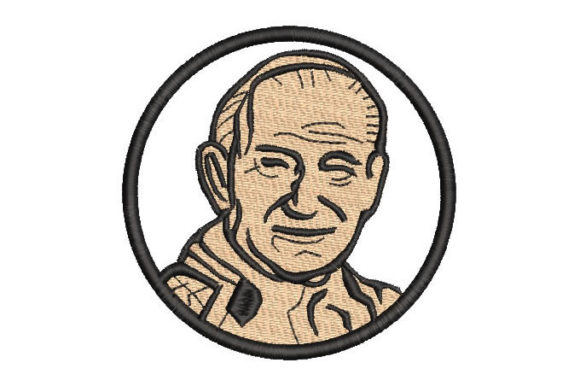
Pope John Paul II Embroidery Design Review
As an embroidery designer who has spent years refining digital files for commercial use, I approach every new machine embroidery design with a critical eye. It is not enough for a motif to look pretty on a screen; it must perform flawlessly under the needle, withstand the rigors of daily wear, and elevate the brand identity of the small business using it. Recently, I evaluated the Pope John Paul the Second design, a portrait intended to add a meaningful Catholic accent to various fabric projects. For shop owners, Etsy sellers, and apparel decorators specializing in religious or historical merchandise, this review breaks down how this file translates from a digital asset to a high-value finished product.
First Impressions: Visual Personality and Professionalism
The immediate impression of the Pope John Paul the Second design is one of reverence and classic elegance. In the world of Religion and Embroidery, balancing detail with stitch efficiency is crucial. This portrait aims to capture the likeness of a significant historical and spiritual figure, which requires a delicate touch. The design feels premium and respectful, avoiding cartoonish simplifications that might detract from the subject's dignity. For a boutique or a handmade brand, this visual personality signals quality. It suggests that the final item is not merely a commodity, but a piece of devotional art or a commemorative keepsake. The aesthetic is traditional yet clean, making it suitable for a wide range of demographics, from older parishioners to younger history enthusiasts.
Real-World Applications for Small Business Merch
When considering where to apply this digital embroidery file, versatility is key. Here is how this design performs across different commercial contexts:
- Embroidered Patches: This is perhaps the strongest application. A well-digitized portrait works exceptionally well as a sew-on or iron-on patch. Churches, Catholic schools, and religious gift shops can use these patches on jackets, bags, or prayer journals. The portrait format allows for a contained, circular or oval shape that fits standard patch hoops nicely.
- Custom Apparel and Uniforms: For clergy shirts, choir robes, or staff uniforms at Catholic institutions, this design serves as a distinguished chest logo accent. It adds a layer of institutional pride and spiritual connection without being overly ostentatious.
- Tote Bag Design: Canvas tote bags are popular among parish groups for retreats, bible studies, or charity events. Placing the Pope’s portrait on a sturdy canvas bag creates a functional and meaningful accessory. The texture of canvas provides a stable base for the stitches, ensuring the portrait remains clear and defined.
- Cap Embroidery: While challenging due to the curved surface, a simplified version or a smaller scale of this portrait can work on the front panel of baseball caps. It appeals to fans of religious history or those participating in pilgrimages.
- Apron Embroidery: For Catholic bakeries, cafés, or bookstores, embroidering this image on aprons adds a unique branding element. It connects the business’s mission with its visual identity, creating a warm, welcoming atmosphere for customers.
Navigating Technical Challenges in Production
While the artistic merit is high, practical execution requires attention to detail. Portrait designs are inherently complex. When reviewing the Pope John Paul the Second file, several technical factors must be considered to ensure a professional finished product.
Stitch Density and Fabric Texture: Portraits often rely on subtle shading, which can lead to high stitch density. On lightweight fabrics, this can cause puckering or stiffness. It is essential to test the design on the specific material you intend to use. If the density is too high for a thin cotton shirt, consider using a cut-away stabilizer to support the weight of the threads. For textured fabrics like towels or heavy denim, ensure the contrast between the thread colors and the background is sufficient to maintain visibility.
Scale and Detail Retention: One common pitfall with portrait embroidery is shrinking the design too much. Fine details in the face, such as the eyes and glasses, can merge into a blob if the hoop size is too small. I recommend avoiding sizes below 3 inches in width unless the digitization is specifically optimized for micro-detail. Always create a printable mockup at actual size to check legibility before stitching.
Color Contrast: The success of this design hinges on effective color usage. Skin tones, white vestments, and background elements must be distinct. Test the design in black and white first to verify that the tonal values provide enough separation. If the contrast is low, the portrait will lack definition. Adjusting thread shades may be necessary to match your brand’s palette or to ensure visibility on dark uniforms.
Enhancing Brand Identity and Customer Trust
For small business owners, every design asset contributes to brand identity. Using a high-quality portrait of Pope John Paul II signals respect for tradition and attention to detail. It builds trust with customers who value authenticity in religious items. When a customer sees a crisp, well-stitched portrait on a pillowcase or a wall hanging, they perceive higher value. This perception justifies premium pricing and encourages repeat business.
Moreover, consistent use of such dignified imagery helps establish a cohesive visual language for your brand. Whether used on product packaging accents, gift tags, or social media promotional materials, the design reinforces a narrative of care and craftsmanship. It transforms a simple transaction into a meaningful exchange, fostering deeper engagement with your audience.
Practical Designer Notes for Commercial Use
Before integrating this embroidery file into your production workflow, follow these steps to minimize waste and maximize quality:
- Verify Licensing: Confirm commercial licensing terms. Ensure you have the right to sell items made with this design, especially if you are producing large batches for commercial embroidery projects.
- Check File Formats: The product description mentions it is a machine embroidery design but does not specify formats. Ensure you have the correct file type for your machine (e.g., PES, DST, JEF) to avoid conversion errors that can distort the stitch path.
- Test on Real Fabric: Never skip the test stitch. Run the design on a scrap piece of the exact fabric you will use for production. Check for thread breaks, nesting, or registration issues.
- Review Hoop Size Requirements: Confirm the minimum hoop size needed. Trying to force a large design into a small hoop can result in misalignment and ruined garments.
- Create Client Mockups: If you are doing custom work, show the client a digital mockup of the design on their chosen item. This manages expectations and allows for adjustments before any thread is wasted.
- Compare with Other Assets: Place this design alongside your other design assets to ensure visual consistency. Does it complement your existing logo or product line? Consistency strengthens brand recognition.
Final Verdict for Merch Creators
The Pope John Paul the Second embroidery design is a strong candidate for businesses targeting the religious, historical, or commemorative markets. Its elegant and respectful tone aligns well with the values of its intended audience. However, its success depends entirely on proper technical execution. By paying close attention to stitch density, fabric choice, and scale, you can transform this digital file into a stunning physical product. Whether you are creating small business merch for a local parish or designing a line of handmade product gifts for an online store, this design offers a meaningful way to connect with customers through the timeless art of embroidery. Always prioritize quality control and testing to ensure that every stitch honors the subject and satisfies the buyer.