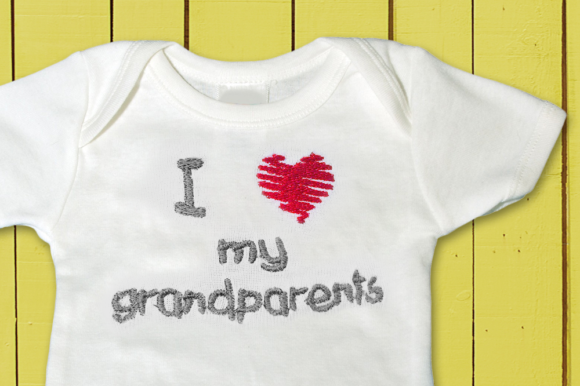
I Heart My Grandparents: A Designer’s Practical Review
As a designer who spends more time staring at stitch maps than finished garments, I have learned that the simplest concepts are often the hardest to execute well. When I first loaded the I Heart My Grandparents machine embroidery design into my software, my initial reaction was one of cautious optimism. The premise is straightforward: it is a tribute to mentors, best friends, and the pivotal figures in our lives who happen to be grandparents. But in the world of commercial embroidery and handmade goods, "simple" can easily tip into "bland" if the execution lacks intention.
This review is not just about whether the design looks cute on a screen. It is about how this embroidery file performs when it hits the needle, how it translates onto real fabric, and whether it holds up as a viable product for Etsy sellers, boutique owners, and craft entrepreneurs. If you are considering adding this to your library of design assets, here is my practical breakdown of its potential and pitfalls.
First Impressions: Mood and Visual Personality
The visual personality of I Heart My Grandparents leans heavily into warmth and accessibility. It does not try to be overly ornate or technically complex. Instead, it relies on clear shapes and a balanced layout that communicates affection instantly. For a designer, this is a double-edged sword. On one hand, the clarity means it is legible from a distance, which is crucial for items like tote bags or sweatshirts. On the other hand, simple designs leave nowhere to hide poor digitizing.
In my assessment, the design succeeds in creating a mood of genuine appreciation. It feels appropriate for a wide demographic, avoiding trends that might date the piece within a year. This longevity is vital for small shop products that need to remain relevant across multiple holiday seasons. The layout suggests a focus on readability, ensuring that the message remains the hero of the composition rather than getting lost in excessive decorative flourishes.
Real-World Application: Where This Design Shines
To truly evaluate an embroidery project, you must imagine it stitched out. I visualized this design on several common substrates to gauge its versatility. The most natural fit, in my opinion, is custom apparel. Specifically, I see this working beautifully as sweatshirt embroidery. The chest area of a crewneck provides ample space for the design to breathe, allowing the thread colors to pop against cotton or fleece blends.
Beyond apparel, this design has strong potential as a tote bag design. Canvas totes are staples for craft fairs and boutique branding. The sturdy texture of canvas supports standard stitch densities well, and the sentimental nature of the message aligns perfectly with the gift-giving culture surrounding grandparents. Imagine a neutral-colored tote with this design centered; it becomes an immediate conversation starter and a heartfelt personalized gift.
I also considered its use in nursery decor and baby embroidery. While the theme is universal, the softness of the concept fits well on blankets or pillow covers. However, here we must be mindful of scale. A design intended for an adult sweatshirt may need resizing for a baby onesie, which brings us to technical considerations.
Technical Performance and Stitching Clarity
When reviewing any digital embroidery file, stitch density is a primary concern. Without specific technical data provided in the brief, I advise you to check the stitch count and density settings in your software before hooping. Simple designs often utilize a mix of satin stitch for borders or text and fill stitch for larger shapes like hearts. If the I Heart My Grandparents design uses heavy fill stitches in small areas, it can cause puckering, especially on lighter fabrics.
Thread color contrast is another critical factor. Because the design is described as "beautiful and simple," it likely relies on clean lines. I recommend testing it in black and white mockups first. If the design loses its definition without color, it may lack the necessary contrast for dark fabric applications. For best results on dark garments, consider using a lighter thread palette or adding an underlay to ensure the design stands out against the background.
Fabric texture also plays a significant role. On textured fabrics like terry cloth towels or coarse linen aprons, fine details can get lost. If this design includes tiny lettering or intricate corners, it may not translate well to highly textured surfaces. In such cases, increasing the size of the embroidery or choosing a smoother fabric like broadcloth for tea towels would yield a cleaner finished product.
Navigating Challenges: Hoop Sizes and Fabric Types
One of the most common mistakes makers make is forcing a design into an inappropriate hoop size. Before purchasing or using this design, confirm the recommended hoop size. If you plan to use it on curved surfaces like caps or hats, you must ensure the design is narrow enough to fit within the cap frame without distortion. Caps require specialized digitizing to account for the curve; if this file was not specifically optimized for headwear, it may look warped when stitched.
Stretchy fabric presents another challenge. If you are applying this to a stretchy knit for a t-shirt, proper stabilizer usage is non-negotiable. A cut-away stabilizer is often preferred for garments that will undergo frequent washing, as it provides long-term support and prevents the stitches from pulling apart over time. Always test the design on scrap fabric of the same type and weight as your final project. This step allows you to inspect small details, check for thread breaks, and adjust tension before committing to your final material.
Commercial Viability and Brand Consistency
For Etsy sellers and creative entrepreneurs, the question is not just "does it look good?" but "will it sell?" The I Heart My Grandparents design taps into a perennial market: gift-giving. Grandparents are consistent buyers and recipients, making this a reliable addition to your catalog of commercial embroidery projects. However, to maximize sales, your presentation matters.
Use high-quality printable mockups to showcase the design on various products. Show it on a cozy sweater, a structured tote, and perhaps a framed hoop art piece. This helps customers visualize the end result and increases buyer engagement. Consistency in your brand presentation—using similar lighting, backgrounds, and styling across your listings—builds trust. When a customer sees a professional, well-stitched sample, they are more likely to perceive higher value in your handmade product.
Furthermore, consider the licensing terms. Before selling finished items or using this as part of a larger design asset package, confirm that the license permits commercial use. Many designers offer different tiers of licensing, so ensure you are compliant to protect your business.
Final Verdict for the Modern Maker
The I Heart My Grandparents embroidery design is a solid, versatile option for makers who value clarity and sentiment. It is not a showstopper in terms of technical complexity, but that is precisely its strength. It is approachable, easy to read, and emotionally resonant. For hobbyists, it offers a satisfying stitch-out with minimal fuss. For business owners, it provides a reliable product that appeals to a broad audience.
My advice is to treat this design with the respect it deserves by paying attention to the fundamentals: choose the right fabric, use the correct stabilizer, and test your thread colors. Do not assume that because it is simple, it is effortless. Precision in execution is what separates a amateur-looking item from a professional-grade finished product. If you approach this project with careful planning and an eye for detail, I Heart My Grandparents can become a staple in your portfolio, bringing joy to recipients and consistency to your brand.
Remember, the best embroidery is not always the most complex; it is the one that communicates its message clearly and withstands the test of time and wear. This design has the potential to do exactly that, provided you guide it with informed design choices.