Fall Rainbow with Flowers: A Designer’s Review
As an embroidery designer who has spent years digitizing and testing files for commercial use, I approach every new machine embroidery design with a critical eye. It is not just about whether a pattern looks pretty on a screen; it is about how it performs in the real world of small business merchandise. When I first loaded the Fall Rainbow with Flowers file into my software, my immediate impression was one of balanced optimism. This is not a loud, chaotic graphic. Instead, it feels friendly, approachable, and distinctly handmade.
For boutique owners, Etsy sellers, and local brands looking to refresh their Autumn inventory, this design offers a unique blend of seasonal warmth and year-round versatility. In this review, I will break down how this specific Embroidery asset functions for branded patches, custom apparel, and product labels, helping you decide if it fits your current production pipeline.
Visual Personality and First Impressions
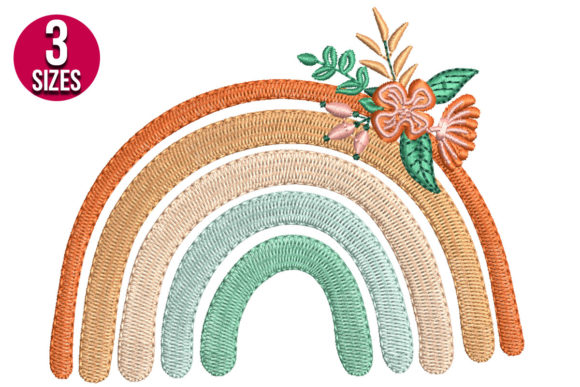
The title Fall Rainbow with Flowers suggests a seasonal theme, but the execution is surprisingly flexible. The design avoids the cliché dark oranges and browns often associated with fall. Instead, it utilizes a brighter, more joyful palette that bridges the gap between late summer harvest and early winter coziness. From a branding perspective, this is crucial. A design that is too strictly seasonal has a short shelf life on your retail rack.
This piece feels professional yet playful. It does not scream "corporate," nor does it look amateurish. It sits comfortably in the "artisanal premium" category. For a florist, a bakery, or a creative studio, this visual personality builds trust. It signals to the customer that the brand values aesthetics and attention to detail. The floral elements soften the geometric structure of the rainbow, making it feel organic rather than rigid. This balance is essential for brand identity, as it allows the logo or accent to feel welcoming rather than imposing.
Real-World Applications for Small Business Merch
The true test of any digital embroidery file is its application across various substrates. Here is how I envision Fall Rainbow with Flowers performing in a commercial setting:
- Embroidered Patches: This is perhaps the strongest use case. The design’s contained shape makes it ideal for iron-on or sew-on patches. These can be sold as standalone accessories or used to upgrade plain denim jackets and canvas bags. The floral details add texture that flat printing cannot achieve.
- Apron Embroidery: For cafes and bakeries, staff uniforms are walking billboards. Placing this design on the chest pocket of a canvas apron adds a touch of warmth. It reinforces the idea of handmade care, which is vital for food and craft businesses.
- Tote Bag Design: Canvas totes are a staple for bookstores and markets. The design works well as a central focal point. Because it is described as "fun and easy to stitch," it likely has manageable stitch counts, reducing production time for bulk orders.
- Cap Embroidery: While possible, this requires careful placement. The curved surface of a cap distorts wide designs. I recommend using this as a side-panel accent rather than a full front center piece, unless the design is significantly scaled down.
- Product Packaging Accents: Small-scale embroidery on tissue paper bands or fabric tags can elevate the unboxing experience. This design serves as an excellent "seal of quality" for handmade products.
Technical Considerations and Production Notes
Before you commit to a large run of custom apparel or merchandise, you must address the technical realities of machine embroidery. The product description notes that the design is "easy to stitch," which is a positive indicator for production efficiency. However, "easy" is relative to your machine and fabric choices.
Stitch Density and Fabric Texture
When working with textured fabrics like terry cloth towels or thick wool coats, you must monitor the stitch density. If the design is too dense, it may cause puckering. Conversely, on thin fabrics like lightweight tees, insufficient density might lead to visibility of the backing material. Always test the embroidery file on a scrap piece of your actual production fabric. Use the appropriate stabilizer; a cut-away stabilizer is often safer for items that will undergo frequent washing, such as staff uniforms or baby clothes.
Thread Colors and Contrast
The "rainbow" aspect implies multiple color changes. In a business context, thread changes equal time. Ensure your machine is calibrated to handle these transitions smoothly without excessive trimming tails. Furthermore, consider how the thread colors interact with your garment color. This design will pop on neutral tones like cream, oatmeal, or navy. On black uniforms, you may need to adjust the brightness of the threads to maintain visibility. I strongly advise creating a printable mockup or stitching a sample on the exact garment color before approving the final finished product.
Hoop Size and Placement
The description does not specify the exact hoop size required. This is a critical missing piece of information for production planning. You must check the file details to ensure it fits within your standard hoops. If the design is large, it may require a 5x7 or 6x10 hoop, which limits the types of garments you can easily embroider. For small business owners with only 4x4 hoops, this design might need to be resized, which could compromise the clarity of the floral details.
Strategic Branding and Customer Engagement
Using Fall Rainbow with Flowers is not just about decoration; it is a strategic move for small business merch. Consistent use of high-quality design assets builds recognition. When customers see this same joyful motif on your tote bags, your shop window decals, and your staff aprons, it creates a cohesive visual language.
This cohesion increases perceived value. A simple t-shirt becomes a collector's item when adorned with a well-executed, exclusive embroidery design. It encourages buyer engagement on social media, as customers are more likely to photograph and share products that feature intricate, tactile details like embroidery. The "handmade" feel of the floral rainbow connects emotionally with consumers who are increasingly seeking authenticity over mass-produced goods.
Final Verdict and Designer Recommendations
The Fall Rainbow with Flowers is a strong contender for businesses aiming to project warmth, creativity, and professionalism. It is particularly well-suited for the Autumn season but possesses enough versatility for year-round use in specific niches like floristry or children’s boutiques.
Before integrating this into your commercial embroidery workflow, take these final steps:
- Verify Licensing: Confirm that the license allows for the number of physical items you plan to produce. Some digital files have limits on commercial sales.
- Check File Formats: Ensure the download includes the format compatible with your specific embroidery machine (e.g., PES, DST, JEF).
- Test Stitch-Out: Never skip the test phase. Stitch the design on your intended fabric with your chosen stabilizer. Check for thread breaks, nesting, or registration issues.
- Evaluate Scale: Determine the minimum size at which the floral details remain clear. Do not shrink it so much that the flowers become indistinguishable blobs.
In conclusion, this design is a valuable addition to your library if you prioritize quality and brand consistency. It transforms basic items into cherished keepsakes, driving both sales and brand loyalty for your small business.