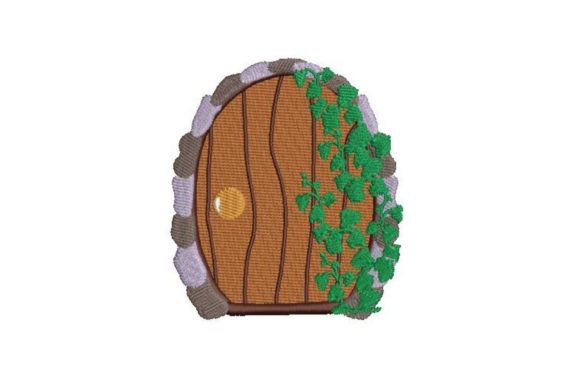
Fairy Door: A Designer’s Review for Holiday Collections
As an embroidery designer who spends countless hours digitizing and testing files for seasonal drops, I approach every new machine embroidery design with a critical eye. It is not just about whether the art looks cute on a screen; it is about how it translates to fabric, how it appeals to holiday shoppers, and whether it holds up under the stress of a busy production schedule. Recently, I reviewed the Fairy Door design, and I believe it offers a unique opportunity for creators looking to expand their seasonal embroidery offerings beyond the traditional red and green motifs.
The First Impression: Whimsy Meets Nostalgia
When I first loaded the Fairy Door into my editing software, the immediate feeling was one of playful nostalgia. In the world of Fairy Tales, the concept of a hidden door implies magic, secrecy, and wonder. For holiday product creators, this emotional tone is gold. It moves away from the overt religiosity or commercialism of some holiday decor and taps into a softer, more imaginative narrative. The design feels cozy and inviting, making it an excellent candidate for items intended to bring warmth to a home during the colder months.
The detail level appears balanced. It is intricate enough to look premium but not so dense that it becomes a nightmare to stitch out on multiple units. This balance is crucial for Etsy sellers and small business owners who need to maintain profitability while delivering high-quality finished products. The aesthetic leans towards the rustic and whimsical, which aligns perfectly with current trends in handmade home decor and children’s apparel.
Strategic Product Applications for the Season
The versatility of the Fairy Door allows it to shine across various product categories. Here is how I envision integrating this design into a holiday collection:
- Sweatshirt Embroidery: Placing the design on the left chest of a cream or pastel pink hoodie creates a subtle, magical look. It appeals to adults who want festive wear that isn’t overly loud, as well as parents looking for cute outfits for their children.
- Kitchen Towel Embroidery: This is perhaps the strongest use case. A linen or waffle-weave towel with a small fairy door near the hem makes for an exceptional handmade gift. It suggests a story of kitchen elves or holiday helpers, adding charm to holiday hosting.
- Pillow Covers: Stitching this onto a velvet or faux fur pillow cover adds texture and depth. It works beautifully for nursery decor or as a whimsical accent on a holiday reading nook.
- Tote Bag Design: Canvas totes are year-round staples, but adding a fairy door with holly accents or snowflakes can create a limited-edition holiday item. It is practical for carrying gifts and serves as walking advertisement for your brand.
- Embroidered Patches: If the file supports it, creating iron-on or sew-on patches allows customers to customize their own jackets or backpacks. This lowers your labor time while increasing perceived value.
Navigating Technical Challenges in Production
While the artistic appeal is strong, practical execution requires attention to detail. As a designer, I always advise checking the specific technical specs of any digital embroidery file before committing to a large run. Since the product description mentions multiple formats but does not specify exact stitch counts or hoop sizes, you must verify these details in your software.
Stitch density is a primary concern. If the design is too dense for lightweight fabrics like cotton voile or thin jersey, it may cause puckering. Always use a proper stabilizer—cut-away for stretchy garments like sweatshirts and tear-away for stable fabrics like kitchen towels. Test your thread colors on both light and dark fabrics. A fairy door often involves wood tones, greens, and perhaps metallic accents. Ensure your thread palette has enough contrast to make the details pop, especially if the background fabric is textured.
Be cautious with small hoop sizes. If the design includes tiny text or intricate hardware details on the door, ensure your machine can handle the resolution without thread breaks. Additionally, avoid placing complex designs on curved surfaces like baseball caps unless you have significant experience with cap frames, as distortion can ruin the magical illusion of the door.
Boosting Seasonal Appeal and Sales
In the context of holiday embroidery, the Fairy Door stands out because it invites storytelling. When listing this on your shop, do not just sell the item; sell the magic. Use phrases like "hidden magic," "whimsical holiday decor," and "personalized gift for dreamers." This approach enhances buyer emotion and increases the perceived value of the product.
For commercial embroidery purposes, consider creating bundles. Pair a fairy door towel with a matching apron, or offer a "Magic Kit" that includes a sweatshirt and a tote. These bundles increase average order value and make gift-giving easier for customers. Social media previews should focus on the lifestyle aspect: show the embroidered item in a cozy, lit setting with fairy lights or books to reinforce the narrative.
Creating a realistic printable mockup is essential for online sales. Show the design on various textures to help customers visualize the fabric texture interaction. High-quality images build customer trust and reduce return rates by setting accurate expectations.
Designer Notes for Best Results
To ensure success with the Fairy Door design, follow these practical steps:
- Verify Licensing: Before selling any small shop product featuring this design, confirm the commercial licensing terms provided with the file. Ensure you are compliant with usage rights for physical goods.
- Test Stitch-Outs: Never skip the test phase. Stitch the design on the exact fabric you plan to sell. Check for registration issues where colors meet.
- Color Palette Planning: Develop a signature color palette for your holiday line. Consistent thread colors across different products create brand consistency and visual recognition.
- Detail Review: After stitching, inspect the small details. If the door handle or hinges are messy, consider using a slightly larger needle or adjusting tension settings.
- Marketing Angle: Highlight the design as part of a broader Fairy Tales or fantasy-themed collection. This helps in targeting niche audiences who appreciate whimsical and nostalgic aesthetics.
In conclusion, the Fairy Door is more than just a cute graphic; it is a versatile tool for creating emotional connections with customers during the holiday season. By paying attention to technical details like hoop size and stabilizer choice, and by leveraging the design’s storytelling potential, you can create standout products that resonate with buyers looking for something truly special. Whether used for sweatshirt embroidery, home decor, or personalized gifts, this design has the potential to become a staple in your seasonal lineup.